Taba-Style vs Mochi Squishy: Which Texture Suits You?
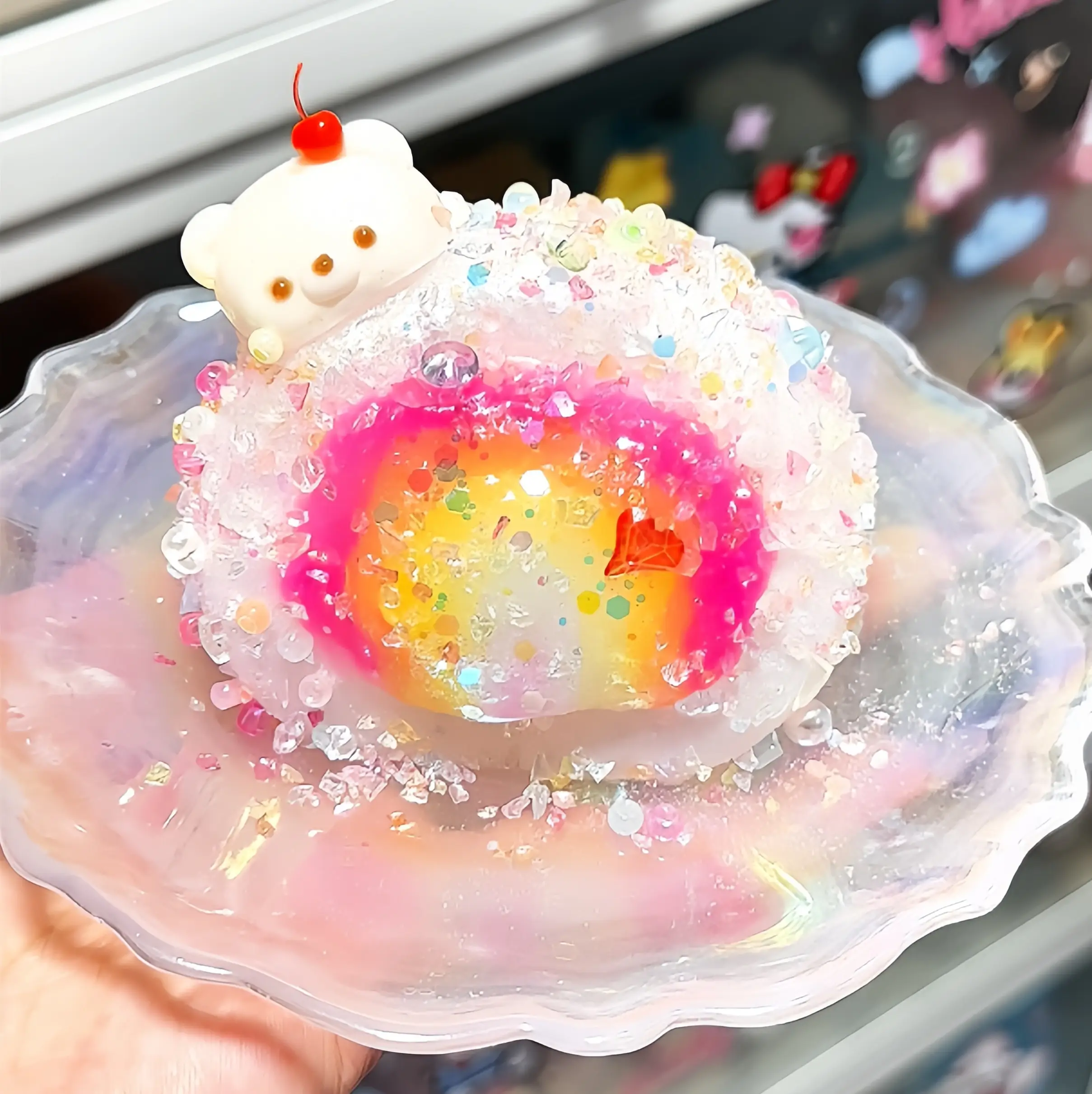
Both are soft, palm-sized and endlessly squeezeable, but they behave differently the moment you let go. One holds the shape you pressed into it; the other snaps back before you have finished the squeeze.
Rebound: the biggest difference
A taba-style squishy is usually a soft silicone or gel body that yields slowly and keeps an indentation for a while. Press a thumb into it and the dent lingers, which is why people describe the feel as doughy, creamy or moldable.
A mochi squishy is a small, smooth, slightly matte piece that returns to its original shape almost instantly. It feels springy and cool, and it is easy to roll between two fingers. If you want a toy that resets itself every second, mochi wins; if you like shaping and re-shaping, taba-style wins.
Surface and stickiness
Silicone-heavy pieces tend to pick up lint unless they are kept covered, and some have a faint tacky finish by design. A quick dusting with a soft brush or a rinse under cool water, followed by complete air drying, is the usual routine. Mochi pieces are generally drier to the touch and easier to wipe clean.
Neither texture should be stored pressed against another piece for long periods, especially in warm rooms. Give each one its own compartment or a little breathing space in a display box.
Size, shapes and how people use them
Mochi squishies are usually the smaller of the two and come in repeatable families of animals, fruit and tiny desserts, which makes them popular for party bags, classroom prizes and desk bowls. Taba-style pieces are often a little larger and heavier, with food and blob shapes that show off the slow moldable feel.
For a quiet one-handed habit at a desk, the instant rebound of a mochi piece is less messy and less distracting. For a slower, more deliberate squeeze, the moldable body gives more to focus on.
Choosing your first one
Start from the sensation you actually want. If you enjoy pressing, shaping and watching a dent slowly disappear, choose a moldable silicone piece. If you prefer a quick, tidy, repetitive squeeze, choose a mochi mini. Many collections include both so you can compare them side by side without committing to a large set.
Check the listed dimensions rather than relying on photos, and read the age grading and care notes. Both styles are decorative collectibles and neither is intended as a teething toy.
Frequently asked questions
Which one lasts longer?
It depends on handling. Springy mochi pieces tolerate repeated quick squeezes well, while moldable silicone bodies can pick up lint and surface marks if left uncovered. Gentle storage matters more than the material.
Can I wash both the same way?
A cool water rinse and full air dry works for most smooth silicone pieces. Mochi pieces usually only need a damp cloth. Avoid hot water and heat drying on either.
Are these the same as slow rising foam squishies?
No. Slow rising describes polyurethane foam that expands back over several seconds. Taba-style and mochi describe silicone or gel bodies with very different surfaces and rebound.
Keep exploring
Related collections and guides from the Joy Toys blog.
More in Texture & Materials
Shop Mochi squishies
See the pieces behind this guide, with current prices and worldwide shipping.