What Is a Squishy? The Complete Beginner's Guide (2026)
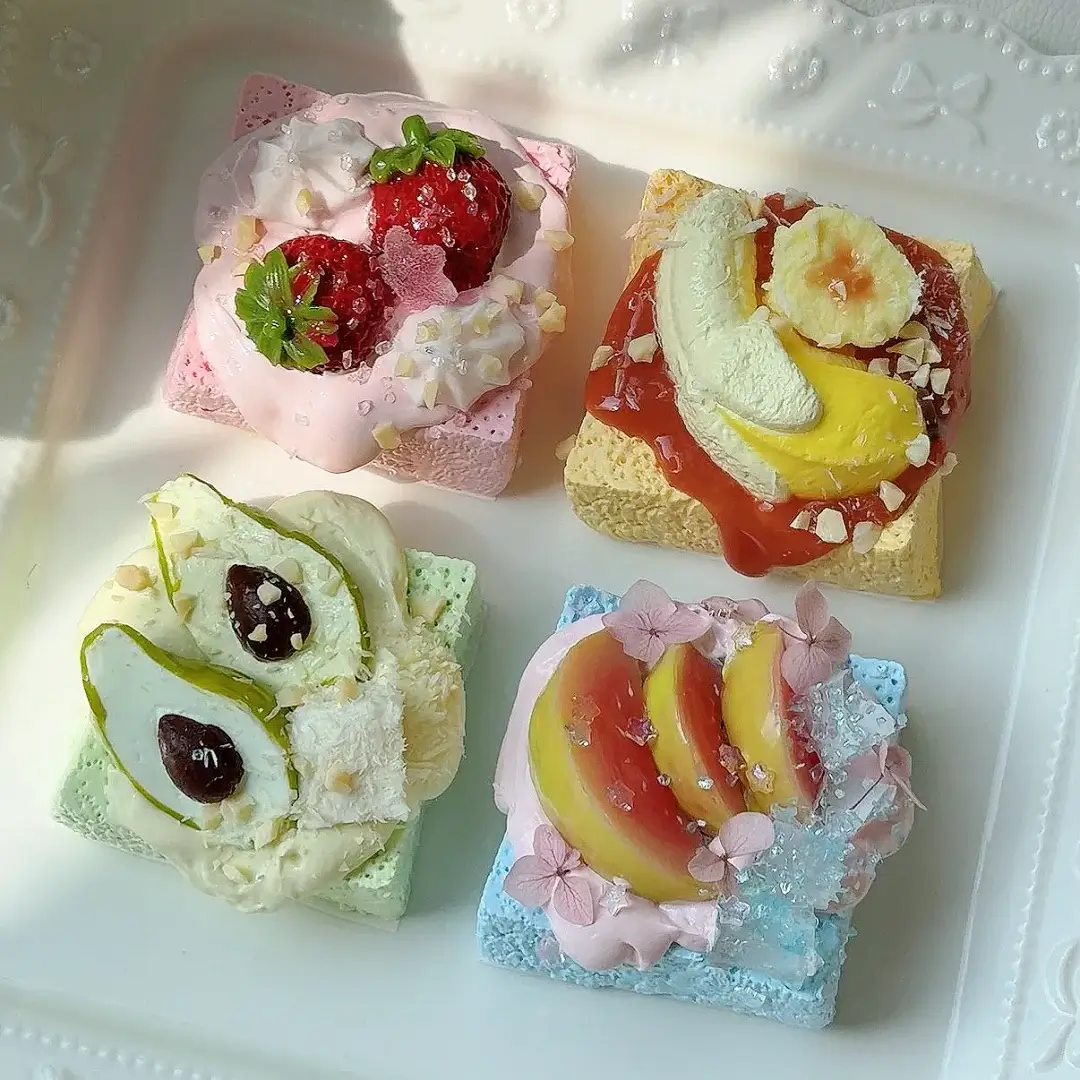
If you have seen someone on a video slowly squeezing a tiny piece of toast that melts back into shape, you have met a squishy. Here is what they actually are, where the craze started, and how to buy your first one well.
You are not alone if the word "squishy" still feels vague. In toy terms, a squishy is a soft, squeezable collectible — usually shaped like food, an animal or a character — that you compress with your hand and watch slowly return to shape. They sit at the intersection of three things people like: a cute object, a fidget tool, and a tiny desk companion.
What exactly is a squishy
Technically, a squishy is a foam or elastomer toy with a closed-cell or semi-closed-cell structure that gives it that signature squish-and-rebound. The appeal is tactile, not electronic: the resistance in your hand, the slow visual reset as it expands, and the often-fruity scent of the scented versions. A Toast is a typical entry point — palm-sized, soft, and unmistakably "treat-like."
Squishies are not action figures and not plush. They are closer to a stress ball that happens to look like dessert. That blend is why they travel so easily from "cute desk toy" to "actual focus aid" (we cover the anxiety angle in our squishies-for-anxiety piece).
Where squishies came from
The modern squishy traces back to Japanese kawaii culture and the "mochi" squishy craze of the mid-2010s, when slow-rise foam versions went viral on video platforms. Two things accelerated it globally:
- Short video. The slow rebound is inherently satisfying to watch, which made squishies a natural fit for ASMR and "satisfying" clips.
- Collectibility. Brands released them in food and animal themes, and blind-box minis turned buying into a collect-and-trade hobby.
Today the category spans budget foam pieces, detailed silicone animals, and character collabs. In our own 168-design catalog, food and drink themes alone make up roughly 57% of everything we carry — a sign of how dominant the "edible cute" look remains.
Slow-rise vs fast-rise
This is the first fork every beginner hits, and it changes the whole feel:
| Type | Rebound | Feel | Best for |
|---|---|---|---|
| Slow-rise | Several seconds | Doughy, melt-in-hand, scented | Calm, display, gentle squeeze |
| Fast-rise / mochi | Nearly instant | Springy, bouncy | Fidgeting, play, bags |
If you only remember one thing: slow-rise is the iconic "satisfying" feel most people picture. A Toast is a reliable slow-rise pick. Fast-rise pieces like Strawberry Cream are better when you want something that bounces back immediately.
What they are made of
Most squishies use one of three materials, and the material drives durability and care:
- Soft polyurethane (PU) foam — the classic slow-rise material. Light, scented, squeezable, but can tear if over-stretched.
- Silicone (often food-grade) — springy, non-porous, washable, and more child-friendly. Our Bunny animals are a good example.
- TPR / mochi elastomer — jelly-like and bouncy; great for repeated fidgeting.
The detailed material and safety breakdown lives in our safety guide guide — read that before buying for a child.
How to choose your first
- Start with a theme you like. Food lovers do well with the Food Series; animal fans gravitate to the Pet Series.
- Pick one slow-rise and one fast-rise. Two opposite feels teach you your preference fast.
- Check the size. Palm-sized (6–9 cm) suits desks and bags; 12 cm+ is better for display.
- Smell via reviews. Scented PU foam is part of the charm, but a minority dislike fragrance — silicone versions are usually unscented.
First-week care
Keep your first pieces out of hot cars, dust them with a soft brush, and store displayed ones in a clear box. Do that and a $10 squishy stays cute for years.
Frequently asked questions
What is the difference between slow-rise and fast-rise squishies?
Slow-rise pieces return to shape over several seconds and feel doughy and calming; fast-rise (mochi) bounce back almost instantly and feel springy for fidgeting.
Are squishies safe for young children?
Choose silicone or larger foam pieces without small detachable parts for age 3+; blind-box minis with smaller components are better for age 6+. They are decorative collectibles, not teething toys.
Why are food-shaped squishies so popular?
Food shapes read as instantly cute and giftable, and the theme is endlessly variable (toast, cake, fruit, drinks). In our shop about 57% of designs are food or drink themed.