Sensory Toys vs Fidget Toys: Which One Do You Need?
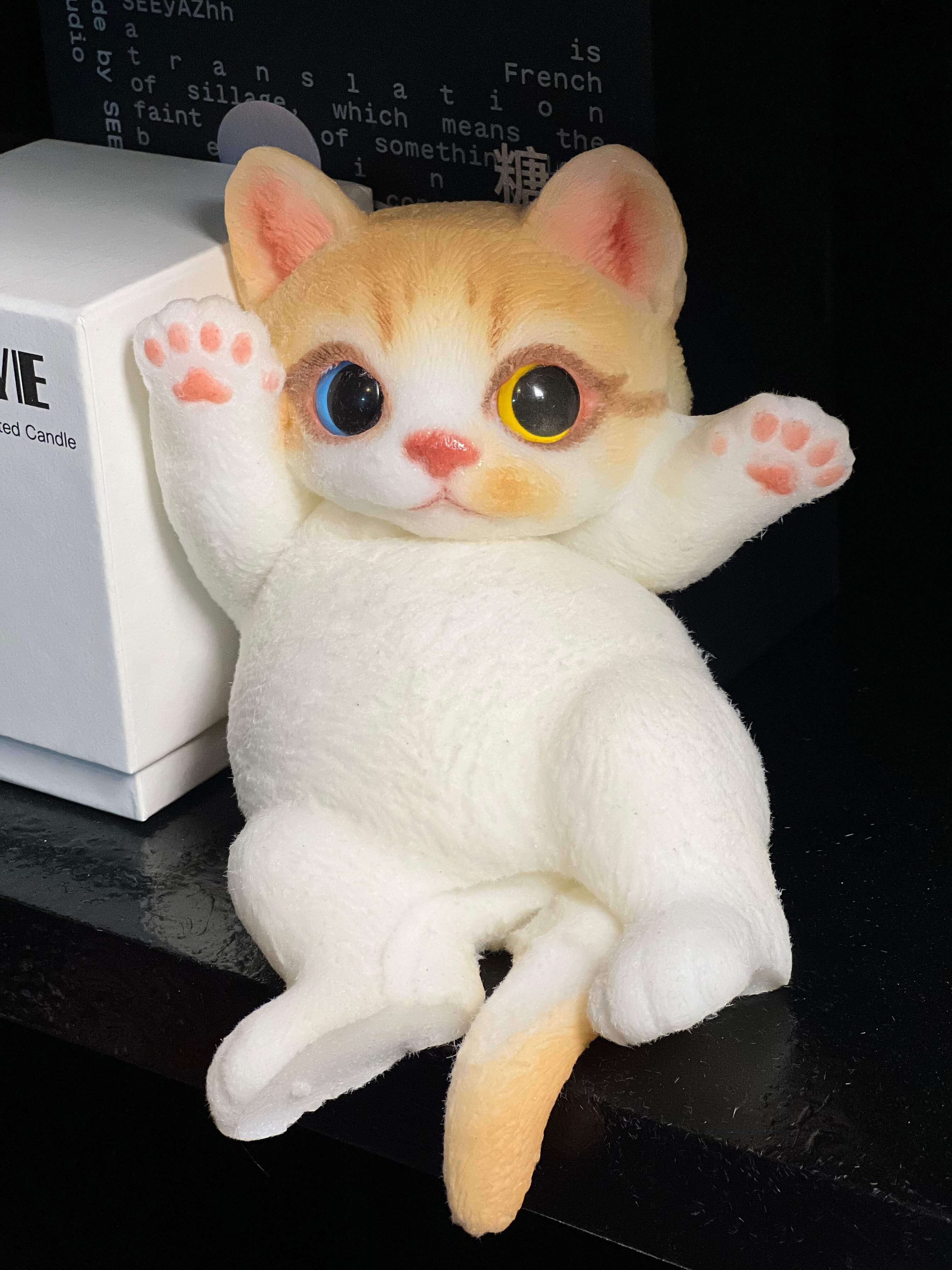
The two terms get used interchangeably in listings, which makes shopping confusing. A useful distinction is simple: sensory describes the input the toy gives you, fidget describes the repeated motion you do with it.
Two different questions
If you are choosing by sensation, you are asking what the material feels like: cool or warm, smooth or textured, firm or yielding, silent or crackly. That is the sensory angle, and it is why texture guides spend so much time on rebound and surface finish.
If you are choosing by motion, you are asking what your hands will keep doing: squeezing, rolling, stretching, clicking or shaping. That is the fidget angle. A good match satisfies both questions at once.
Match the texture to the setting
In a quiet office or a study hall, silent foam and smooth silicone are the practical choices. Crackly shells and clicking parts are deliberately audible and belong somewhere that sound is welcome. Scent is another setting-dependent input that is worth checking on the listing.
For longer sessions, a slower texture can feel less frantic: slow rising foam or a moldable gel body gives a longer squeeze cycle. For short gaps between tasks, the instant reset of a mochi mini is easier to pick up and put down.
Resistance and one-handed use
Firmness changes the effort of a squeeze. A very soft piece needs almost no pressure and can feel unsatisfying if you want feedback; a firmer stress-ball style piece gives more resistance but tires the hand faster. Most people settle somewhere in the middle.
Check the dimensions before buying for a desk or a bag. A one-handed piece that fits below desk height gets used; a bulky two-handed one tends to stay in a drawer.
A note on claims
These are ordinary hand-held objects and we describe them as such. People use them for all sorts of quiet habits, but we do not make medical or therapeutic claims, and no toy is a substitute for advice from a qualified professional.
If you are buying for a child, check the age grading, look for one-piece designs without small detachable parts, and supervise first use. For shared spaces, unscented and silent remains the safe default.
Frequently asked questions
Is a squishy a sensory toy or a fidget toy?
It can be both. The material gives sensory input and the repeated squeeze is the fidget motion. The labels describe different aspects of the same object.
Which texture is quietest?
Slow rising foam and smooth silicone are close to silent. Crackly wax shells, clicking parts and crinkly packaging are the ones to avoid in quiet settings.
Do you make therapeutic claims for these toys?
No. They are collectibles and desk objects, and we do not claim any medical or therapeutic effect.
Keep exploring
Related collections and guides from the Joy Toys blog.